

Mismanaged signage handoffs can stall a multi-million dollar construction project for weeks.
Signage project coordination is the process of handling technical data as a project moves from the architect to the contractor. This workflow ensures that building plans match site facts and that electrical needs are met before the sign build begins. When these three groups do not talk early, mistakes happen that cost time and money on a building site. High-quality coordination keeps the sign design true to the first vision while meeting all safety and building codes. According to the American Institute of Architects, clear goals for the entire team are vital. These shared goals must be set at the start of the design phase. By having one partner handle the handoffs, you remove the risk of missed details that occur when shifting tasks between firms. This path reduces stress and ensures the brand identity is installed well and on time.
Planning a commercial construction build and need expert help with your signage project coordination? Contact Carolina Signs and Wonders today to request a free quote.
Handling these moving parts is often the hardest part of any large build. You need to know how to keep the lines of communication open to avoid delays and extra costs. Knowing the crucial role of signage project coordination in commercial construction is the first step to a good handoff. The path begins with
The Crucial Role of Signage Project Coordination in Commercial Construction
The link between design and building reality
Commercial signage is more than just a name on a wall. It is a key part of how people move through and use a building. Good signage project coordination starts early in the design phase. When developing custom signage solutions, design teams create the look, but sign experts must make it work in the real world.
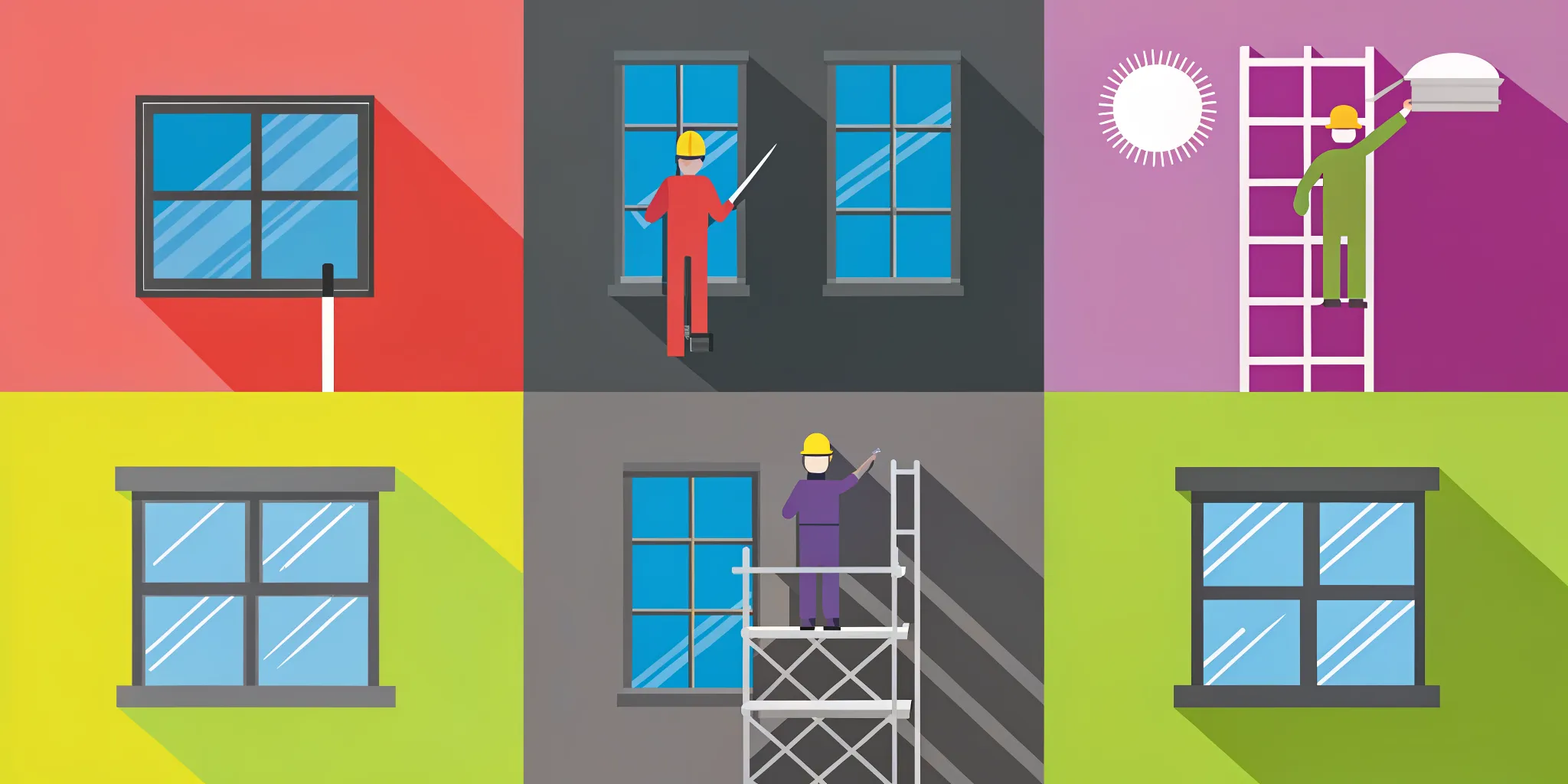
Turnkey signage project coordination ensures that professional installation crews have the exact plans and equipment needed for a seamless on-site install.
This work requires clear goals for the whole team from day one. When everyone is on the same page, the project runs much faster. Design papers help the team get the right permits for mounts or bases. Every sign must fit the building's own strength and shape.
Using firm engineering makes sure that large signs stay safe in bad weather. Expert teams look at wind loads and structural needs to prevent risks. This early work helps the team avoid big changes during the build. It saves time and keeps the budget in check for the site owner.
Sign work and construction schedules
A big part of any building project is timing. Signage is often one of the last things to go up. But the prep work must happen months before the site is ready. Project leads must work closely with site managers to meet hard dates.
They manage the flow of parts, work dates, and quality checks. This makes sure every sign is in place for the first day of business. Without this link, a project can face long delays at the very end. Proper planning ensures that all sign footings and power lines are ready on time.
Conflicts between crews often slow down the work on a busy site. For example, glowing signs need power at the right spot and the right time. Having one team for both sign installation and wiring stops these issues.
One point of contact makes the whole process much easier for the client to track. It also helps large brands keep the same look across many sites at once. This plan keeps the work moving without any sudden pauses. It removes the need to find and hire extra crews for small tasks.
Rules, permits, and building codes
Every town has its own set of rules for signs. Following the law is a must for any business project to succeed. A skilled team handles the full permit path from start to finish. They send in drawings and talk to local clerks to clear the way.
This is key to keeping the building on its planned path. Local laws often need a uniform construction permit for new business signs. Meeting these codes ensures the safety and long life of the signage. When designing compliant custom signs, LED signs, or digital signs, expert teams ensure every detail meets the local standard.
Safety rules also apply to signs on the work site itself. Many places require signs that show project details to the public for clarity. Meeting these rules keeps the site safe and clear of costly fines. Good project planning means every small part meets the local code.
This full service gives the owner peace of mind and a smooth path to opening day. The end result is a site that is safe, follows the rules, and is ready for customers. It shows the quality of the new build and makes a great first impression.
What Does Signage Project Management Involve?
Signage project work is the way a team leads a sign job from the start to the end. It ensures that every part of the task stays on track and within the budget. For many firms, signage project coordination is the most key part of the work. It takes away the stress of talking to many groups. A project lead handles all the small parts. This keeps things simple for the brand owner.
Planning and build oversight
The project lead must watch the work at each step. They make a clear plan for when each task starts and ends. This includes checking the shops that make the sign parts. They must make sure the look of the signs meets the brand rules. By watching the build closely, they can find and fix errors fast. This keeps the job moving without big delays or extra costs.
Key planning and build oversight duties handled by a project lead include:
- Timeline management: Mapping out exact start and end dates for every production phase to keep trades aligned.
- Fabrication QA: Performing regular quality checks at the fabrication shop to ensure exact adherence to brand identity standards.
- Engineering compliance: Verifying structural calculations, concrete footings, and wind-load ratings with professional engineers.
- Site prep confirmation: Inspecting wall blocking, electrical rough-ins, and conduit placement before sign crews arrive on-site.
Getting permits and following rules
Most big signs need a legal permit before the team can put them up. A project lead handles all the forms for the city or county. They work with local staff to ensure the sign meets safety rules. This often involves checking how much wind or weight the sign can hold. In North Carolina, project leads manage trade contracts to keep big builds safe. Based on the North Carolina Department of Administration, coordinating trade contracts is a key part of running large projects.
The path to a finished sign
Running a sign job follows a set of clear steps. Each phase helps to avoid errors and keep the project on time. By following this path, the team can deliver comprehensive turnkey signage services and handle complex builds for any brand.
- Site survey. The team visits the spot to check the space and see where the sign will go.
- Design and sign plans. Experts create the sign plans to make sure the sign is strong and fits the brand style.
- Permit filing. The lead sends the plans to the city to get a permit and get the work done fast.
- Build oversight. The team watches the sign as it is made to make sure the look of the work is right.
- Setup and crew. The lead picks a date to bring the crew and tools to the site to finish the job.
- Final review and care. Once the sign is up, the team checks the fit and offers help if the sign needs a fix.
Full coordinating complex signage projects also includes care after the job is done. A good partner does not just leave once the sign is up. They make sure the client knows how to use and clean the new sign. This full service builds trust and keeps the sign looking new for a long time.
The Handoff Sequence: Architect to General Contractor to Installer
A big sign project moves through many hands before it is finished. Each handoff must be smooth to avoid errors or delays. This path starts with the design board and moves to the build site. Proper signage project coordination makes sure that no data is lost along the way. When architects, builders, and sign teams work together, the project stays on track. A good handoff saves time and keeps the budget in check for the owner.
Managing shop drawings and design approvals
Architects create the main look and feel of a new building. But they do not design every small part of the sign. Instead, they pass their vision to a sign firm. The sign team then makes detailed shop drawings. These drawings show how the sign is built, the parts used, and how it fits the wall or ground. The architect must check these drawings to make sure they match the brand style and building plans. This step is key to keeping the look of the project right across the whole site.
These drawings also serve as the base for the permit filing. City staff look at the plans to ensure the sign is safe and follows local code. Clear shop drawings help avoid the back-and-forth that slows down a job. This stage of the work ensures that the sign team follows the master plan for the project. As per the North Carolina Department of Administration, managing trade contracts is vital. These filings ensure the success of any large build.
Coordinating site readiness with general contractors
Once the design is set, the work moves to the build site. The general contractor or GC leads this phase. They must prepare the site for the new signs before the crew arrives. This work often involves adding power lines, wall blocking, or strong support. If the GC is not ready, the sign crew cannot do their job. This leads to costly pauses in the work schedule. A sign project lead talks to the GC often to check the site status and resolve any conflicts.
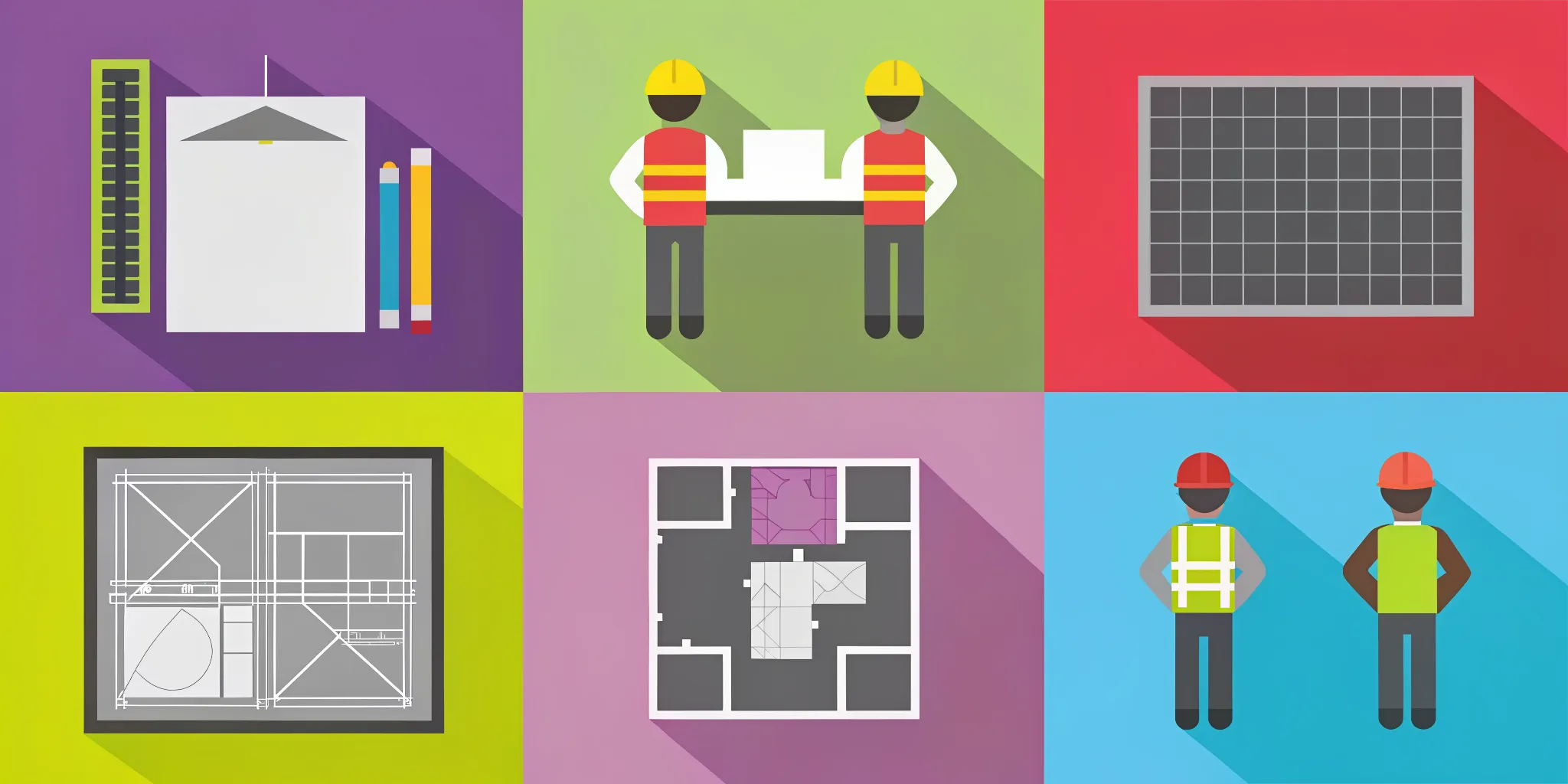
Early coordination meetings between architects, general contractors, and sign experts prevent costly delays and scheduling conflicts.
The GC must also check the ground for signs that stand alone. For example, large monument signs need concrete footings. These bases must be dug and poured to meet engineering rules. Power must also be at the right spot for signs that glow at night. Having a clear handoff between the GC and the sign team stops many site issues. This project oversight keeps the building on its path to opening day. It removes the guesswork from the final phase of the build and prevents last-minute changes.
Final handoff to the installation crew
The last handoff is from the project lead to the setup crew. This crew brings the finished signs to the site and puts them in place. They need the final permits and the approved shop drawings to start their work. They also check the site for any new risks or changes in the building. This "last mile" of the job is when all the planning comes together. The crew ensures that the signs are level, safe, and clean for the brand owner. This includes installing highly visible interior office signs, structural monument signs, and promotional trade show displays using safe sign installation services.
The crew also checks that every sign meets legal rules for ease of use. This includes ADA laws that help people move through the space safely. For instance, ADA design standards set rules for sign height and Braille for visual aid. The project lead hands off a full checklist to the crew to verify these details on-site. Once the signs are up, the team does a final walk-through with the owner. This ensures that the work meets the high standards of the brand and is ready for the public.
How Can Signage Project Management Benefit My Business?
Expert sign project lead work turns a hard building task into a steady asset for your firm. Large sign projects often involve many people, such as architects, city staff, and builders. Without a lead person, notes get lost and errors occur. Expert signage project coordination brings these parts together. This single point of contact cuts stress and keeps your team on their main tasks.
Streamlining Stakeholder Communication
Managing a new sign means talking to many groups at once. You must share plans with designers and ground rules with crews. A project lead acts as the bridge between all these groups. They make sure that every person has the right data at the right time. This helps avoid the friction that happens when plans change without everyone knowing. Clear goals shared with the team from the start are key to a good result.
A single point of contact helps your work by cutting out the noise. Instead of calling five vendors, you call one person who knows the full state of the job. This expert handles the technical details and trade contracts that keep the site moving. Expert sign setup work protects your brand and saves you time.
Preventing Timeline and Permitting Delays
Permit errors are one of the most common causes of sign delays. Local rules for sign size and placement can be very strict. In big cities, getting a permit can take four to eight weeks or even longer. A project manager knows these local codes and starts the filings early. They handle the plan sets and filings needed for city board reviews. This keeps your project on track and avoids last-minute stops.
Scheduling is another big plus of expert oversight. Sign teams must work around other trades like electricians and site managers. Proper scheduling of work ensures that the sign goes up exactly when the site is ready. This prevents the sign from arriving too early or too late. By managing these small details, the lead manager keeps the whole project on its set timeline.
Ensuring Long-Term Quality and Compliance
Your sign must meet legal rules to avoid fines or safety risks. This includes building codes and ADA rules for ease of use. For example, ADA sign standards require specific heights and Braille for visual aid. A project manager checks every sign against these rules before it leaves the shop. They also make sure the sign meets local wind load and electrical safety needs.
Safety on the site is just as vital during the final setup. Setup crews must follow OSHA building safety rules to protect people and land. A lead manager oversees this process to make sure all tools and lifts are used right. This rigor ensures a safe, top-grade sign that lasts for years. At the end, you get a full package of drawings and warranties for your records.
| Feature | Fragmented Management | Turnkey Project Management |
|---|---|---|
| Communication | Client calls many vendors. | Single point of contact. |
| Permitting | High risk of filing errors. | Expert permit acquisition. |
| Timelines | Frequent trade delays. | Active schedule coordination. |
| Compliance | Standard codes may be missed. | Full ADA and IBC check. |
| Closeout | Missing warranties or plans. | Full documentation package. |
Avoiding Common Coordination Pitfalls in Complex Signage Programs
Managing a large sign project is hard because many groups must work together. If one group fails, the whole job slows down. Errors often happen when teams hand off work between firms. By having one team in charge of signage project coordination, you stop these problems early.
Delays in permit papers
One big trap is waiting too long for permit drawings. You need these papers to get a full building permit from your town. If your sign firm does not do this in-house, you might wait weeks for news. This delay can push back your start date, so a pro team stays on top of these dates to keep you on track.
In big cities, it can take two months to get a sign permit. This wait depends on how fast the local board works. If you do not have the right drawings ready, they may say no to your request. We handle the full process to make sure your papers are right the first time.
Poor electrical planning
Many signs need power, but the wiring is a weak link. Builders must work with many crews to get it right. If the power line is in the wrong place, the sign cannot go up. This error costs a lot and is hard to fix.
Our team uses an in-house group called Carolina Commercial Electric to solve this. Our power crew is UL-listed and follows strict OSHA safety standards to keep everyone safe. Since our team does the work, we know where the power must go. This stops the "sub-crew headache" for your lead and gives you one person to talk to for every need.
Errors in site checks
A sign might look great on paper but fail at the site. This happens when teams skip a full site check. A good check looks for things like buried power lines and local space rules. If the team finds a problem while they work, the costs go up fast.
We look for high wires and check the soil for large signs to keep the build safe. This step makes sure that our build plans match the ground conditions. By finding issues early, we save you cash and keep your project on time.
Frequently Asked Questions
What technical data is needed for a smooth signage project handoff?
A good handoff needs clear site facts and exact design files. Architects must give scaled site plans, building views, and structural data. The sign team then adds power loads and mounting specs for the main contractor. Based on the AIA, clear data stops field errors. This makes sure the sign build matches the building's power and strength.
Who manages the communication between architects and sign installers?
A lead signage project manager acts as the link between the design team and the field crew. They change hard design plans into real-world build tasks. This lead person makes sure that the architect's look fits the local code and site limits. By having one point of contact, brands avoid the stress of talking to many firms. This role keeps the project on track and on budget.
When should a sign installer join the construction project team?
Sign installers should join the team during the early design phase. Early work allows the installer to find issues with power access or wall support before the build begins. This prep work saves time by avoiding costly changes later in the job. Proper trade coordination makes sure that all sign bases are ready before the crew arrives on site.
How long does the commercial sign permitting process usually take?
The time needed for a sign permit varies by town but often takes four to eight weeks. Large projects with custom signs may need more time for board reviews. A skilled project lead handles the full permit path to avoid delays. They work with local staff to make sure every sign meets the local building code. Starting this path early is the best way to meet your opening day goal.
Are you ready to get a free custom quote for your next sign project?
Waiting to book your sign team can cause gaps in your plan that lead to costly rework on the job site for you. Permit delays can stop your work and put your new launch day at risk if the sign is not ready on time. Starting now helps your design meet all local codes and fits the final build to save you from last minute stress.
Ready to get a free custom quote? Call (704) 625-2061 to talk to a sign expert and start your next project with a solid plan. Our team will help you manage every part of the handoff from start to finish. Contact us now to make sure your brand looks great and meets all local rules.


