


A commercial sign can be the most visible part of a site, but taking it down is not simply the reverse of installation. The work may affect building surfaces, electrical systems, tenant access, public areas, and the schedule for a new tenant or brand. Owners and project teams should define those interfaces before selecting a contractor or setting a site handback date.
Safe commercial sign removal planning starts with a site-specific scope. It identifies the sign and attachments, access conditions, electrical coordination, approvals, site protections, and responsibility for the building afterward. Requirements vary, so owners should confirm them with qualified professionals and relevant authorities.
Electrical safety deserves explicit attention. OSHA's hazardous-energy standard covers some servicing and maintenance work where unexpected energization or stored-energy release could cause injury. Its electrical-work rule addresses exposed live parts. These rules have specific scopes. Qualified professionals should determine what applies, rather than assume one procedure fits each sign or site (29 CFR 1910.147; 29 CFR 1910.333).
Start by making the scope concrete: what is coming down, what must remain, and what condition should the site be in when the work is complete. That shared definition helps owners, facilities teams, contractors, and signage partners coordinate responsibilities before field activity begins.
Discuss your commercial signage project
What Should a Commercial Sign Removal Scope Include?
A commercial sign removal scope identifies the signs, decision-makers, intended outcome, and expected site condition. It also records questions that must be resolved before scheduling.
Name the event driving the work, such as a tenant handoff, relocation, rebrand, renovation, or change in sign ownership. The trigger helps clarify deadlines, but does not define the work by itself. Confirm who owns the sign, who can approve removal, and who is responsible for the property where it is attached. Lease terms, property rules, and project agreements may assign those duties differently.
Build an inventory that can be checked against the site. For every sign, record:
| Scope item | What to document | Decision to confirm |
|---|---|---|
| Identity and location | Description, photos, address, elevation or interior area, and position | Which signs and locations are included? |
| Configuration | Sign type, approximate size, supports, attachments, and visible lighting | What needs review by a qualified professional? |
| Site context | Access constraints, nearby activity, and other trades | What could affect sequencing or access? |
| Disposition | Removal-only, retention, possible reuse, or replacement | Who owns storage, transport, and handling decisions? |
| End condition | Attachment area, facade, wiring interface, and surrounding site | Who inspects and accepts the result? |
The distinction between removal-only and removal-plus-restoration or replacement is essential. Taking down a sign does not automatically include patching, repainting, electrical work, disposal, or a new sign. Identify each desired outcome, its responsible party, and any exclusions in writing. If replacement is planned, connect the work to design, approvals, installation, and brand requirements. Facilities teams can use sign asset lifecycle planning to keep ownership and future changes visible.
Document open questions instead of treating assumptions as approvals. A site review may inform feasibility and preliminary scope, while permits, electrical conditions, attachments, access, and restoration need project-specific confirmation. List any required closeout records, such as site photos, completion notes, and owner acceptance. Clear project coordination reduces the risk of an unresolved handoff. See guidance on how to coordinate the signage project.
How Do Site Conditions Shape Sign Removal Planning?
Access, mounting, electrical components, and activity around a property all affect how sign removal should be scoped. A qualified site assessment can identify constraints and assign responsibilities before work is scheduled.
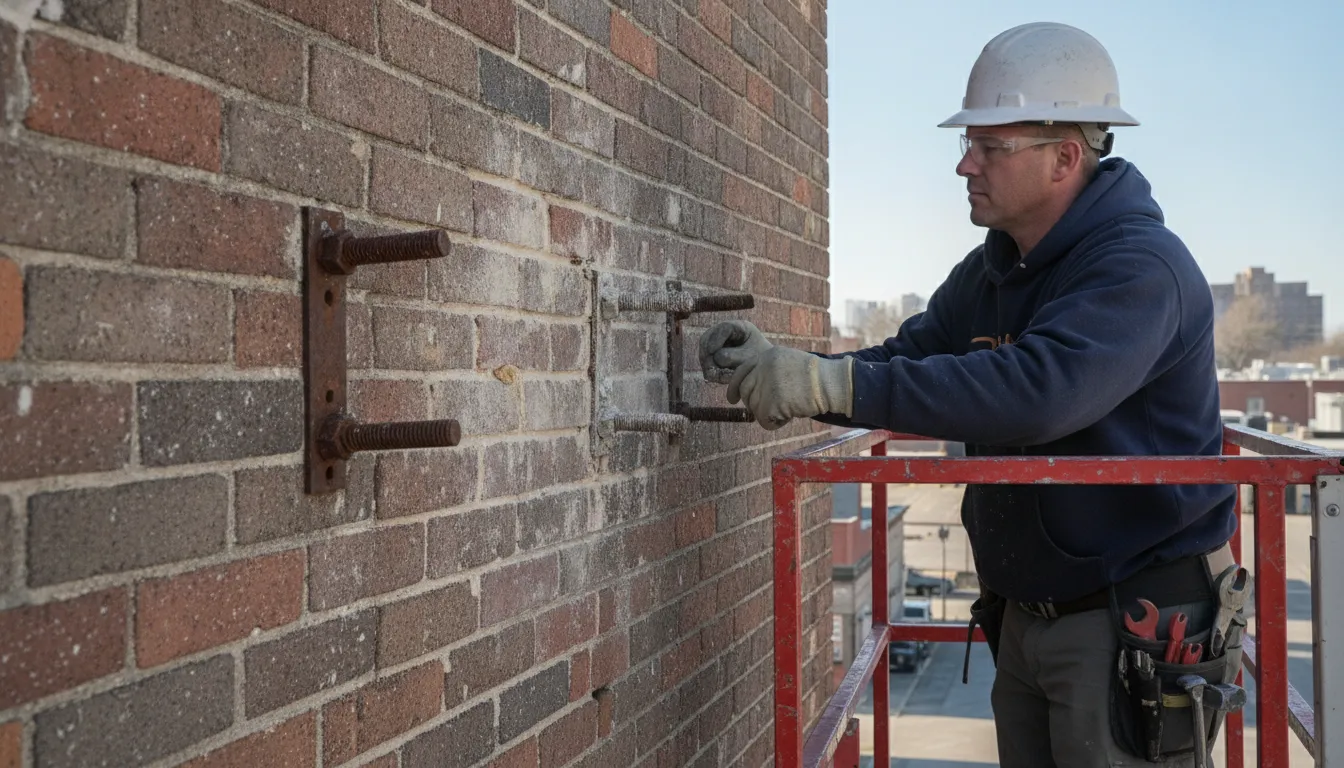
Document where each sign sits and what surrounds it. A storefront sign above an active entrance raises different access questions than a rooftop sign, a monument sign by a drive, or interior lettering. Building height, ground conditions, overhead obstructions, staging area, and nearby traffic affect which qualified people and equipment may be suitable. These conditions can also determine whether work fits normal operations or needs another access plan.
The attachment and supporting structure matter, too. Assess how the sign connects to the building or ground, what is visible about the mounting, and whether nearby surfaces show damage or previous modifications. Identify what needs review and who will do that review. Do not assume a sign can be detached without affecting the substrate or surrounding finishes.
Electrical components need a separate, qualified review. Identify whether the sign is illuminated, where power connections may be, and who will confirm safe electrical conditions. OSHA's general-industry rule addresses deenergizing exposed live parts before employees work on or near them, subject to specified exceptions. Qualified professionals should determine how requirements apply at the site (OSHA electrical safety requirements).
Map the people and operations that could be affected: tenants, customers, building staff, deliveries, and adjacent construction or maintenance. Confirm who controls access, communicates restrictions, and manages the work area and public routes. Local requirements and site rules vary. Owners should confirm them with the authority having jurisdiction and qualified project professionals.
Carolina Signs and Wonders documents project discovery that may include site assessment, surveying, requirements gathering, and feasibility review. Its published planning and elevated-work capabilities relate to signage installation. They do not establish a dedicated sign-removal method or service. Owners can review commercial sign installation and project planning while confirming responsibilities for their specific site.
Which Permits and Stakeholders Should Be Confirmed?
Before scheduling commercial sign removal, confirm who controls the property and which authority reviews the work. Assign electrical and site-safety responsibilities, then check approvals for access and timing. Requirements depend on the sign, property, and jurisdiction. Verify them for the site instead of assuming one permit path applies everywhere.
Start with the property owner or landlord. Ask whether the sign belongs to the tenant, landlord, or another party. Obtain written authorization for the agreed scope. Confirm lease or property standards, access rules, notices, site restoration expectations, and who approves interruptions to building operations. If a sign is part of a tenant change or rebrand, include those decision-makers before scheduling.
Next, identify the authority having jurisdiction (AHJ), the local agency that reviews requirements. Ask whether permits, inspections, sign-code or zoning review, building approvals, or other clearances apply. Needs can differ by location and project. Carolina Signs and Wonders documents municipal permitting and code coordination for signage projects. This does not establish a universal removal requirement or a removal procedure (signage permitting and project planning).
Coordinate work boundaries with the general contractor and facilities lead. The GC can align the scope with construction sequencing, other trades, inspections, and closeout records. Facilities can identify building systems, operating constraints, access windows, and required notices. Tenants may need notice if work affects entrances, parking, deliveries, or operations. Decide who communicates schedule changes and can pause work if conditions differ from the plan.
Electrical questions require qualified personnel. Identify who will assess circuits and equipment, determine whether isolation is needed, and verify exposed wiring or connections after removal. OSHA's general-industry standard says exposed live parts must be deenergized before employees work on or near them, with specified exceptions. The responsible employer and qualified professionals should determine how it applies (OSHA 29 CFR 1910.333). This does not replace project-specific electrical planning.
Use this coordination checklist before confirming a date:
- Written owner or landlord approval, access terms, and scope boundaries.
- AHJ contact and confirmation of applicable permits, reviews, and inspections.
- Named GC and facilities contacts, trade interfaces, site hours, and tenant notices.
- Qualified electrical contractor responsibilities for assessment, isolation, and verification.
- Approved work zone, public and occupant protections, schedule-change contact, and closeout records.
Record decisions, responsible parties, and approvals in the project plan. Assign an owner to resolve outstanding approvals or site constraints before mobilization. Do not assume requirements confirmed at one property apply to another.
What Should Happen to the Building and Site After Removal?
Document the expected building and site condition before removal begins. Identify exposed interfaces and assign responsibility for each repair or protection item. The owner, property manager, general contractor, and qualified trades should agree on what remains.

A site review before work helps establish a baseline. Photograph the sign area and nearby surfaces. Note existing damage or discoloration, and record the condition of the wall, roof, support structure, and surrounding finishes. Depending on the mounting, removal may reveal attachment points, penetrations, a faded outline, or surface differences. Determine repair needs for the specific building.
Electrical interfaces deserve their own scope line. Identify sign feeds, wiring, disconnects, and other components that may remain after removal. Have a qualified electrical professional determine what must be deenergized, disconnected, secured, or otherwise addressed. Also agree on how completion will be documented. OSHA's electrical-work standard sets requirements around exposed live parts. The applicable work plan depends on the task and site conditions (OSHA 29 CFR 1910.333).
Resolve weather protection before work, especially if the sign or mount penetrates an exterior wall or roof. Ask who will protect openings, what temporary protection is appropriate, and who will provide permanent sealing or finish repair. Do not assume the removal scope includes facade restoration or roofing work. The owner or project lead should coordinate with qualified trades and confirm the right approach for the site.
Put closeout boundaries in writing. Distinguish sign removal from surface restoration, electrical work, and any replacement installation. Record:
- Which wall, roof, structural, and finish conditions will be inspected before and after the work.
- Whether penetrations will be sealed, patched, repainted, or referred to another trade.
- Who handles electrical disconnection, secures remaining wiring, and provides any needed verification.
- Who supplies temporary weather protection and completes permanent repairs.
- Which photographs, inspection notes, approvals, or owner walkthrough document acceptance.
Clear assignments prevent an ambiguous handoff. One contractor may consider an opening protected while the property team expects a finished facade. Set acceptance criteria before work, including existing conditions and separately authorized repairs. At closeout, compare the site with its baseline record and route open items to named owners. Requirements and repair methods vary by building and jurisdiction. Confirm the approach with the property owner and qualified professionals.
How Should a Multi-Location Sign Removal Program Be Coordinated?
Coordinate a multi-location sign removal program through one accountable owner, consistent site records, location-specific requirement checks, phased scheduling, and documented closeout. Review each property for its jurisdiction, building conditions, and operating constraints.
Build one reliable record for every site
National sign companies and enterprise facilities teams should establish a common record before scheduling. Give each location a unique identifier. Keep the sign inventory, current photos, property contact, access notes, and requested outcome together. Record whether the scope covers removal only or includes replacement, building-surface work, or other trades. Assign someone to update each record and resolve missing information.
- Site address, local contact, access windows, and any tenant or business operating constraints.
- Sign type, position, mounting details when known, and photographs that help identify the condition.
- Known electrical interfaces, building requirements, and any assessment still needed from qualified professionals.
- Local authority or jurisdiction contact, applicable approvals to verify, and the person responsible for confirmation.
- Scope boundaries, dependencies, target sequence, open issues, and closeout records required by the owner.
A standard template improves consistency, but it should not turn an assumption from one site into a rule for every site. Confirm permit, access, safety, electrical, and restoration requirements with qualified professionals and the local authority. Requirements can differ even among nearby properties.
Name an owner and phase the schedule
Give the program a single accountable coordinator. This person can see the full portfolio, maintain the issue log, communicate changes, and connect local contacts with the project team. Each location also needs a named site contact to confirm access and operating conditions. Set decision points for scope approval, local requirement checks, scheduling readiness, and completion review.
Sequence sites in practical phases instead of treating a national rollout as one uniform job. Group locations only when access, approvals, scope, and operating windows support the same plan. Keep a shared schedule. For each site, communicate the next action, owner, and unresolved dependency. If an approval or site condition delays one location, record the impact and adjust that site. Keep its status visible across the wider program.
Closeout records should tell the owner what work was completed, what remains open, and who owns follow-up at that location. Carolina Signs and Wonders reports project experience in 39 U.S. states, with primary operations in North and South Carolina. This does not imply uniform coverage or licensing. Confirm local fit and responsibilities during scoping. See its guidance on multi-state sign project coordination.
How Do You Select a Sign Removal Partner?
Choose a partner who can define the work, coordinate qualified people and local requirements, plan access safely, and document the condition of the site at closeout. For commercial projects, compare the proposed scope and accountability, not just the task label.
Before selecting a contractor, ask how it would address these items for your property:
- Scope clarity: Does the proposal identify each sign and location, what is included, and what is excluded? Clarify whether electrical coordination, protection of nearby areas, handling of removed materials, surface repair, and replacement signage are assigned. Do not assume that removal automatically includes restoration or disposal.
- Relevant site experience: Ask about similar buildings, sign placement, access, and occupied-site coordination. Request examples of project ownership and documentation. Experience with professional sign installation services can inform sign-system and project coordination. Installation experience alone does not establish removal qualifications. Verify references, insurance, and credentials that apply to the work and location.
- Permits and authority coordination: Ask who will confirm requirements with the property owner, local authority having jurisdiction (AHJ), and any other responsible parties. Permit, electrical, and site rules can vary by project and jurisdiction, so confirm them rather than relying on a blanket promise. Carolina Signs and Wonders documents municipal permitting and code coordination for signage projects, but that is not a claim of a standalone removal service.
- Safety roles and site controls: Identify who owns the safety plan, electrical isolation decisions, work-zone controls, tenant or public communication, and trade coordination. OSHA rules address deenergizing exposed live parts before employees work on or near them, subject to exceptions. Qualified professionals should determine which requirements apply (OSHA electrical safety requirements).
- Access and equipment planning: Have the partner assess working height, mounting conditions, equipment access, ground conditions, nearby operations, and any space or traffic constraints. Ask how the plan changes if the initial site assessment identifies an obstacle.
- Communication and closeout: Name one accountable project contact and agree on update frequency, schedule coordination, escalation steps, and records. Define who verifies the building condition, documents remaining electrical or attachment interfaces, and obtains owner acceptance when work is complete.
For projects involving multiple locations or trades, ask how one point of contact will coordinate local requirements and consistent records. A clear management approach matters as much as field execution; see guidance on how to coordinate the signage project and on multi-state sign project coordination. Confirm the selected firm's qualifications and scope for the actual work rather than inferring them from broad company descriptions.
What Is a Practical Sequence for a Commercial Sign Removal Project?
A documented sequence helps teams confirm authority and scope, assess the site, coordinate approvals and qualified trades, schedule work, then inspect and close out. Steps and responsibilities depend on the sign and site.
- Confirm authorization and end condition. Identify who owns the sign, who can approve the work, what will be removed, and what condition the property must meet afterward. Decide whether the scope also includes repairs or replacement work.
- Document site conditions. Record the sign location, visible mounting, access limits, nearby occupants or operations, and relevant electrical interfaces. Have qualified professionals assess uncertain structural, electrical, or access conditions.
- Verify local requirements and responsibilities. Ask the property owner and authority having jurisdiction what permits, inspections, access conditions, or notifications may apply. Name the people responsible for approvals, electrical decisions, site controls, and coordination with other trades.
- Approve the work plan and schedule. Confirm the work area, public or tenant protections, equipment access, operating windows, and communication plan before field activity. If conditions differ from the assessment, pause and route the question to the responsible project lead.
- Inspect and close out. Compare the finished site with the documented baseline. Record completion, outstanding repairs or interfaces, owner acceptance, and who owns any follow-up work.
Keep the sequence practical, not universal. OSHA requirements can apply to hazardous-energy control and electrical work. Their application depends on the task and site conditions. Qualified professionals should determine what applies. A clear handoff between property management, the general contractor, facilities, and signage teams gives each action an owner.
Discuss your sign removal project with a signage professional
Frequently Asked Questions
Who should remove a sign from a commercial building?
Use a commercial sign contractor with experience that fits the sign, site, and project scope. Before scheduling, confirm who handles permits, electrical coordination, access, site protection, and closeout records. The owner or general contractor should verify qualifications and responsibilities for the specific site.
How should a pole sign removal be planned?
Have qualified professionals assess the sign's location, access, attachment and support condition, electrical components, and surrounding site activity. Confirm applicable requirements with the property owner and local authorities, and agree on how the work area and exposed site conditions will be managed. Do not treat pole-sign removal as a do-it-yourself task.
Can a removed sign be kept or reused?
Possibly, but decide that before work begins. Identify which sign components the owner wants retained, where they should go, and who will handle their protection and transport. Reuse or relocation may depend on the sign's condition, the receiving site's requirements, and approvals that apply there. Put retention, relocation, or disposal responsibilities in the written scope rather than assuming they are included.
What affects the scope and quote for commercial sign removal?
A project-specific quote depends on the signs and site conditions. Scope questions include sign type and quantity, access, electrical coordination, attachment condition, permits, tenant or traffic coordination, protection needs, surface repairs, debris handling, and replacement work. Share site information and the desired end condition so the project team can define responsibilities before providing a quote.
Ready to Plan Your Signage Transition?
Commercial sign removal planning can involve site conditions, coordination, and decisions about what happens after removal. A project-specific conversation can help clarify the questions and responsibilities that matter for your location and goals.
Contact us to discuss your commercial signage project and request a project-specific consultation.


