


Electronic message center (EMC) signs are programmable LED displays that show dynamic text, images, and video to passing drivers. These digital signs act as a 24-hour sales tool that businesses update remotely from a computer or phone to share new promotions. Events, or site news in real time.
Get a free LED sign consultation from Carolina Signs and Wonders , Our team helps you design, permit, and install the right electronic message center for your property.
This guide covers the technology, specifications, regulatory requirements, and buying considerations every commercial buyer needs before investing in an electronic message center sign.
What Types of Electronic Message Center Displays Are Available?
Electronic message center signs come in several technology configurations. The right choice depends on what content you plan to display and where the sign will be located. Modern digital signage uses LED panels that you update from a computer or phone without handling physical components.
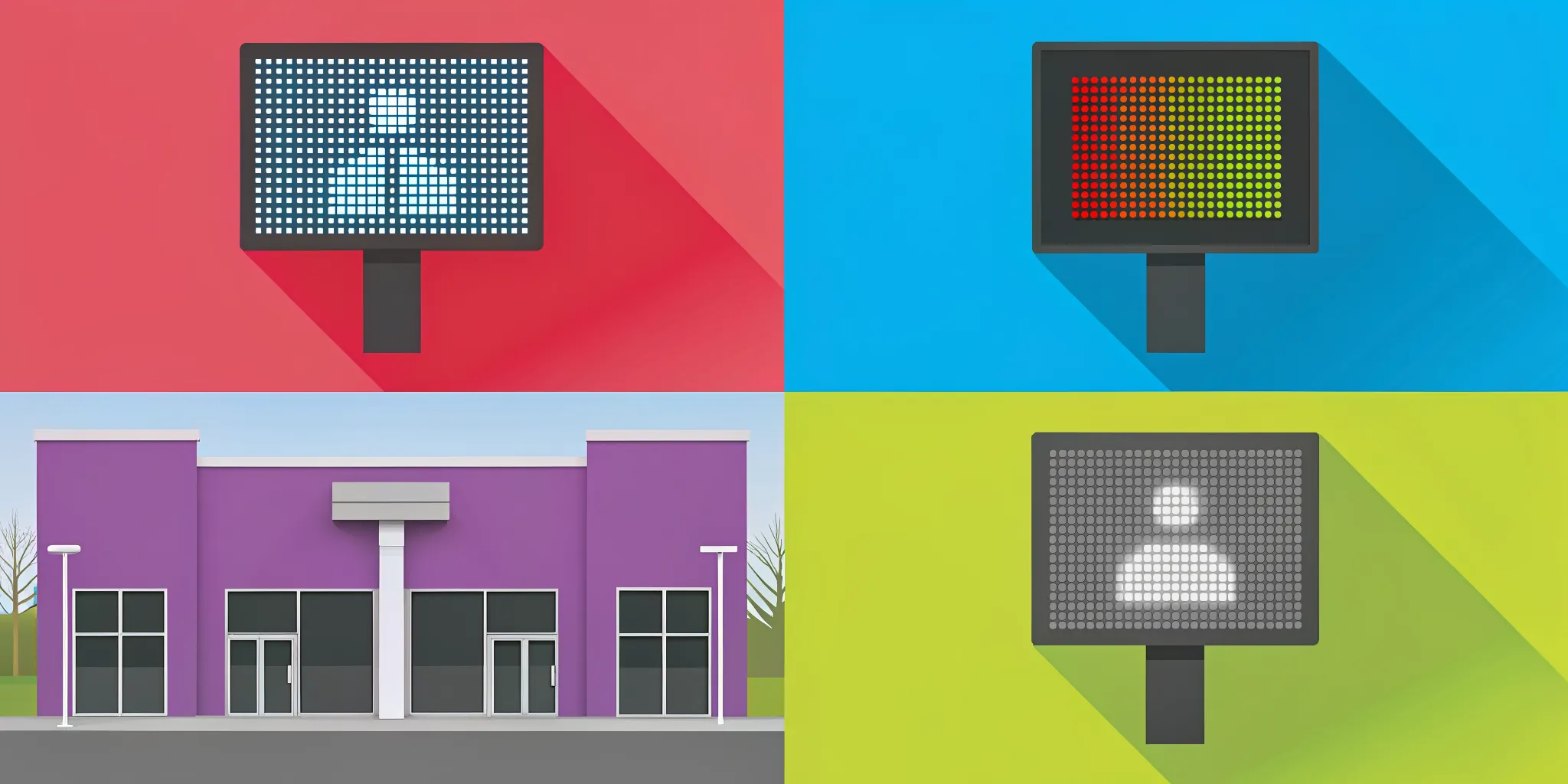
| Type | Technology | Best For | Typical Applications |
|---|---|---|---|
| Full-Color RGB | Multi-color LEDs | Video and high-resolution photos | Retail centers, car dealerships, hotels |
| Monochrome | Single-color LEDs | Text at a distance | Gas prices, time and temperature displays |
| Tri-Color | Red, Green, Amber | Basic graphics and text | Schools, banks, community centers |
Full-Color RGB Displays for Maximum Impact
Full-color signs use red, green, and blue LEDs to create millions of color combinations. These displays can show smooth video and sharp photographs that rival television quality. They excel at dealerships, retail centers, and hospitality properties where stopping power matters. You can integrate these screens into custom business signs for a polished, professional storefront. Full-color units typically deliver 8,000 to 10,000 nits of brightness to remain readable in direct sunlight. They cycle through images and messages automatically to hold viewer attention longer than static signage.
Monochrome and Tri-Color Display Options
Not every business needs full video capability. Monochrome signs use a single LED color, often red or amber, and provide excellent contrast from long distances. Gas stations and financial institutions commonly choose them for price displays and time-and-temperature information. They cost less to purchase and operate than full-color models while remaining highly readable in all lighting conditions.
Tri-color signs combine red, green, and amber LEDs to display basic graphics and styled text. Schools, banks, and municipal buildings use them for event announcements and public notices. The three colors allow simple logos and hierarchy in messaging without the expense of full RGB. Both options deliver reliable performance with lower power consumption than full-color equivalents.
Combined Monument and Pylon Systems
Many organizations integrate an EMC display into a monument sign or pylon sign for a complete signage system. This approach pairs permanent brand identification with a dynamic message board. The static top section displays the business name in dimensional letters, while the lower digital section rotates through promotions or announcements. Combined systems work well for properties with strict sign codes because they consolidate multiple signs into one structure. Quality units use weather-sealed LED panels rated IP65 with expected lifespans of 10 to 15 years. Channel letter sign buyers often choose this integrated approach to maximize visibility without expanding their sign footprint.
What Key Specifications Should You Evaluate?
Several technical specifications determine whether an electronic message center sign will perform well at your specific location. Understanding these factors before purchasing prevents costly mistakes and ensures your investment delivers the visibility your business needs.
Pixel Pitch and Viewing Distance
Pixel pitch measures the distance in millimeters from the center of one LED cluster to the next. This specification determines image sharpness and is the most important technical decision for an EMC sign. A 4mm pitch provides crisp detail for viewers on a sidewalk 30 feet away. A 15mm pitch works well for highway-adjacent signs viewed from 200 feet or more. Selecting the right pitch balances image quality against cost, because smaller-pitch panels cost more per square foot. For long-range visibility, a Charlotte LED sign specialist can calculate the optimal pitch based on your sign's distance from traffic.
Brightness and Environmental Durability
Outdoor LED signs must compete with direct sunlight. Brightness is measured in nits. Commercial-grade EMC signs range from 8,000 to 10,000 nits for daytime legibility. Most municipalities require automatic dimming at night to prevent glare for drivers. An IP65 rating certifies the enclosure is sealed against dust ingress and low-pressure water jets, which is essential for outdoor installation. Thermal management through integrated fans and heat sinks prevents LED degradation in summer heat. Quality signs maintain full brightness for 50,000 to 100,000 hours before gradual dimming begins. Contact Carolina Signs and Wonders to discuss brightness requirements for your specific location.
Software and Content Management
The software platform that controls your EMC sign is as important as the hardware. Modern content management systems allow remote scheduling, real-time updates, and multi-location control from a single dashboard. You can program messages to change by time of day, day of week, or season. A restaurant can promote breakfast until 11 a.m. and switch to dinner specials automatically. Look for systems with built-in diagnostics that alert you to connectivity issues or panel failures before they become visible to the public. Easy-to-use software ensures your sign stays current and effective rather than displaying stale content.
How Do EMCs Fit Within Your Exterior Signage System?
An electronic message center performs best as part of a coordinated exterior signage strategy. The digital display handles time-sensitive messaging while permanent signage maintains consistent brand identity.
Building EMCs Into Monument Signs
Monument signs sit low to the ground and establish a professional entrance for your property. adding a digital insert transforms a static monument into a communication hub. Schools use this configuration to announce events and emergency closures. Medical campuses share wayfinding updates and service highlights. Custom business signs with integrated digital displays give you the best of both worlds: permanent branding plus real-time messaging you can update from your desk.
Using Pylon Signs for Long-Range Visibility
Pylon signs rise high above the roadside to capture attention from a distance. Adding an EMC display to a pylon sign dramatically increases stopping power. The bright, changing content draws the eye more effectively than a static panel. For highway-adjacent pylons, a 15mm to 20mm pixel pitch is typically sufficient because viewers are far away. For slower roadways where vehicles pass closer, a 9mm to 12mm pitch ensures text remains readable. The integration of digital signage solutions into pylon systems is a growing trend among multi-tenant retail centers and hospitality properties.
Scale, Placement, and Brand Cohesion
Your digital sign must feel intentional rather than added as an afterthought. The display size, color temperature, and typography should complement your existing signage. A well-integrated EMC matches the brand's visual language while adding dynamic capability. Placement requires careful study of traffic patterns, viewing angles, and local setback requirements. The sign must be visible from the primary approach path without obstructing sight lines for drivers entering or exiting your property. Professional sign installation services ensure your display is positioned and mounted correctly for long-term reliability.
Regulatory and Permitting Considerations
Electronic message center signs face stricter regulations than static signage. Most municipalities in the Carolinas have specific codes governing brightness, animation, placement, and size. Understanding these requirements before you buy prevents costly redesigns and permit delays.
Understanding Local Sign Codes
City and county sign ordinances typically address EMC signs separately from other sign types. Common restrictions include maximum brightness levels measured in nits, minimum display duration between message changes (often 8 seconds or longer). And prohibitions on animation or video that could distract drivers. Some jurisdictions limit digital signage to a percentage of the total sign area. Charlotte's Unified Development Ordinance provides detailed specifications for electronic message centers within city limits. Zoning laws in surrounding counties such as Mecklenburg, Union, and York each have their own requirements. Working with a team experienced in navigating sign permits in Charlotte streamlines the approval process significantly.
Managing the Permitting Process
Obtaining a sign permit for an EMC display follows a structured sequence. Most jurisdictions require engineered drawings, site plans, product specifications, and proof of electrical compliance. The process typically involves:
- Research local codes. Review zoning and sign ordinances for your specific parcel to determine what EMC configurations are permitted.
- Select compliant specifications. Choose brightness levels, display sizes, and motion capabilities that meet local caps to avoid redesigns.
- Prepare scaled drawings. Develop site plans and elevation drawings showing the sign's exact location, dimensions, and construction details.
- Submit the permit application. File the required forms with the municipal building department and pay associated fees.
- Coordinate site inspections. Schedule electrical and structural inspections at the appropriate construction milestones.
- Obtain final approval. Secure the certificate of compliance after the sign is installed and passes final inspection.
Ensuring Long-Term Compliance
Sign ordinances evolve over time, and maintaining compliance is an ongoing responsibility. Keep your permit documentation, engineered drawings, and product specifications on file for reference. Schedule annual inspections of dimming sensors and software to verify your sign stays within brightness limits. A commercial LED signs guide for business owners provides additional context on maintaining compliance in the Carolinas. Carolina Signs and Wonders supports clients through the full lifecycle from initial permitting to ongoing compliance management.
What Questions Should You Ask Before Investing in an Electronic Message Center?
An EMC sign represents a significant capital investment. Asking the right questions before committing ensures the display aligns with your business objectives, site conditions, and budget.
What Content Will You Display?
Your content strategy should drive your technology choice. Full-color RGB displays are necessary if you plan to show video, photographs, or complex graphics. Monochrome or tri-color displays may suffice if your messaging is primarily text-based. Consider how frequently your content will change and who will manage the updates. A sign with software that your team finds intuitive will stay fresh and effective. Signs with difficult interfaces often end up displaying the same message for months, negating the value of dynamic digital signage.
Who Will Manage the Display?
Assign clear responsibility for content updates before installation. The most capable hardware underperforms when nobody maintains the content calendar. Cloud-based content management systems allow multiple team members to schedule and approve messages from any device. Some platforms offer template libraries that make it easy to create professional-looking content without graphic design experience. Confirm that the software provider offers reliable support and regular updates.
What Are the Local Sign Rules?
Zoning laws in Charlotte, Rock Hill, and other Carolinas markets impose specific requirements on digital signage. Brightness limits, animation restrictions, and setback requirements all affect which EMC configurations are viable for your property. A knowledgeable sign partner handles the municipal research and permit applications so you avoid the risk of noncompliance. Contact Carolina Signs and Wonders for guidance on local sign regulations before selecting your equipment.
What Is the Total Cost of Ownership?
The purchase price is only one component of the total investment. Factor in electrical infrastructure upgrades, concrete foundations, permit fees, ongoing electricity consumption, and periodic maintenance. Quality LED panels typically last 10 to 15 years with proper care. Budget for software licensing fees if the content management system uses a subscription model. Carolina Signs and Wonders provides detailed cost projections during the consultation phase so you understand the full financial picture before making a decision.
Frequently Asked Questions
How long do electronic message center signs last?
Most quality EMC displays operate reliably for 10 to 15 years. LED panels typically maintain peak brightness for 50,000 to 100,000 hours, which translates to roughly 6 to 11 years of continuous daytime operation. Leading manufacturers offer five-year warranties on LED modules and electronic components. Actual lifespan depends on climate conditions, power quality, ventilation, and maintenance frequency.
Do I need a permit for an electronic message center sign?
Yes. Nearly every municipality in the Carolinas requires a permit before installing a digital sign. Permits ensure compliance with local brightness limits, size restrictions, placement setbacks, and electrical codes. Carolina Signs and Wonders manages the full permitting process for clients, from initial zoning research through final inspection approval.
What does pixel pitch mean for an EMC sign?
Pixel pitch is the distance in millimeters between the center of each LED cluster. Smaller numbers mean tighter pixel spacing and sharper image quality at close range. A 4mm pitch works for viewers 30 feet away, while a 15mm pitch is appropriate for highway-adjacent signs viewed from 200 feet or more. Your sign partner calculates the optimal pitch based on viewing distance and content requirements.
How much does an electronic message center sign cost?
EMC sign costs vary significantly based on display size, pixel pitch, color capability, structural requirements, and installation complexity. We do not publish standardized pricing because every property presents unique conditions. Carolina Signs and Wonders offers free consultations to assess your site and provide a custom quote tailored to your specific needs and budget.
Ready to Set Up Your Electronic Message Center Sign?
Investing in an electronic message center sign gives your business a powerful communication tool that works around the clock. Every day you delay is another day of missed opportunities to reach potential customers driving past your property. A static sign cannot match the flexibility and impact of a programmable LED display that changes with your messaging needs.
Carolina Signs and Wonders guides you through every phase of the project from design and engineering through permitting, fabrication, and installation. We ensure your new display meets all local codes so you can focus on running your business. Our team has deep experience with LED sign installation for commercial properties across the Carolinas.
Ready to get started? Call (704) 625-2345 or schedule a free consultation online.


