

Navigation errors in a large medical facility can cost critical minutes that neither patients nor providers can afford. These delays create high stress for visitors and reduce clinical efficiency. Strategic signage planning ensures that every patient journey is smooth.
Request a free consultation to start planning your hospital wayfinding signage system today.
Hospital wayfinding signage is a critical information system that helps patients and visitors reach their desired destinations with little trouble. According to research from PubMed, properly planned signage directly improves the patient experience by reducing stress and errors. When signage is poor, patients frequently interrupt medical staff for directions, which lowers the efficiency of the facility.
A professional wayfinding system uses clear labels and consistent cues to guide people through complex hospital areas. This planning involves more than just hanging signs; it requires a smart approach to naming, timing, and safety rules. By using a high-quality system, healthcare leaders can minimize the mental load for stressed patients and improve the flow of daily traffic. This ensures the facility remains patient-friendly and supportive of better care.
How Does Wayfinding Impact the Healthcare Patient Experience?
A visit to a medical campus can be a stressful event for many people. Clear hospital wayfinding signage is a key part of a patient-friendly hospital goal. When visitors can find their way with ease, it helps to lower their stress levels. Good signs help patients reach their destinations with minimum difficulty, which makes the whole trip better. Effective wayfinding systems also build trust in the facility's care standards.
Improving Patient Navigation
Large clinical campuses are often hard to navigate because they have many halls and floors. Well-planned signage helps to guide people through the physical environment. This is very important for patients who may feel unwell or anxious. Research shows that proper signs help people reach destinations with less trouble. When a patient can find the right room on the first try, they feel more in control of their visit.
Boosting Operational Efficiency
Poor signs do more than just frustrate visitors. They also take up valuable staff time. When patients cannot find their way, they often stop hospital staff to ask for help. This slows down the work of nurses and other medical team members. By using clear ADA compliant wayfinding systems, a hospital can reduce these interruptions. This allows the staff to focus on their main job, which is giving care to patients.
Enhancing Satisfaction Scores
Patient satisfaction is a top goal for modern healthcare leaders. Wayfinding plays a big role in how a person rates their stay. A smooth journey from the parking lot to the exam room leads to better feedback. Studies on healthcare quality show that wayfinding impacts patient satisfaction. High scores on patient surveys help the hospital maintain a strong brand and a good name in the community.
What Are the Key Components of Effective Hospital Wayfinding Signage?
Effective hospital wayfinding signage acts as a full system that helps people navigate complex physical spaces. These systems are not just about lists and arrows. They must work together to lower the mental stress of patients and visitors. In a hospital, a clear path can reduce anxiety and help staff focus on care instead of giving directions.
Designing for the Patient Experience
The best signage systems focus on the needs of the user. For patients, hospitals are often high-stress places. Good design should lower the mental load for people who may feel overwhelmed or have limited sight. Using clear fonts and high contrast helps elderly patients find their way with less effort. A simple look and a clear hierarchy of info are the keys to a patient-friendly campus.
Core Types of Healthcare Signage
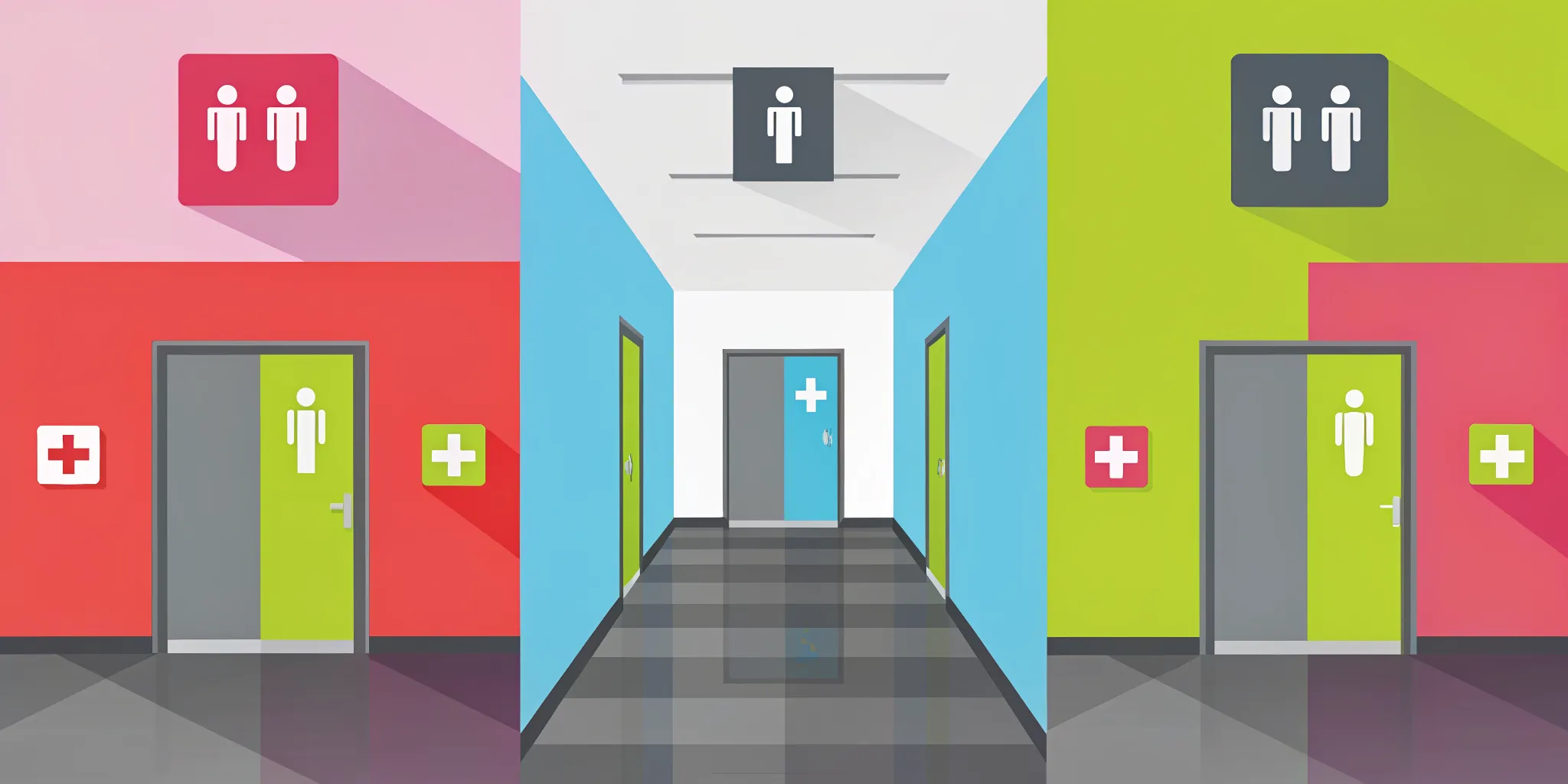
A full plan for hospital wayfinding signage includes four main groups. First, directional signs use arrows and text to lead the way at key turns. Second, ID signs mark specific rooms or areas so guests know they have arrived. Third, info signs give broad data like office hours or maps. Last, regulatory signs ensure safety and law compliance. Each type must stay consistent in color and style to build trust with the visitor.
Clarity and ADA Standards
Legal standards are a critical part of any signage project. Professional teams must create ADA compliant wayfinding systems that all people can use. This includes tactile elements like Braille and proper mount heights. Beyond the law, signs must be placed at natural decision points. When a sign is where a person expects to see it, the flow of traffic improves and the sense of confusion fades.
How to Plan a Hospital Wayfinding Signage Project
Why Healthcare Projects Need More Time
Handling a sign project in a hospital is a big task. These systems do more than just show names. They help people find their way when they feel stressed or lost. Because of this, big hospital jobs often take a lot of time to plan.
Some projects can last for up to 36 months as part of a top quality effort. This long time gives your team the chance to map the patient path. It also makes sure every sign follows strict health rules. You must think about how people move through the halls and where they might stop to ask for help. A good plan looks at every turn a patient takes from the moment they arrive.
Large medical sites have many doors and wings. Each one needs clear labels that people can see from far away. If you rush the plan, you might miss a key spot. This can lead to more stress for patients and more work for your nurses. Taking the time to do it right pays off in the long run. It makes the site run better and keeps guests happy. A well-planned system reduces the risk of people getting lost in busy areas.
Steps to a Solid Signage Plan
A good plan follows a clear set of steps. You start with a check of what you need and end with a look at how well the new signs work. Working with a pro team for custom business signage helps you stay on track. Here is the best process for most medical campuses.
- Start with a full check and map the patient path. This step finds where guests get lost and where staff spend too much time giving help.
- Make a plan and a clear order for all signs. This creates a system that flows from the road to the room using steady names and icons.
- Create sign looks and build models for testing. Testing signs in the real space makes sure they are easy to read and fit the brand.
- Get all permits and follow ADA and health rules. Expert sign partners handle the hard rules for medical sites to keep your project safe.
- Start the build and set a date for an expert install. New signs use strong parts that last for a long time in a busy health setting.
- Do a final check to see how the system works. This step shows if patients can find their way and if staff see fewer stops for help.
The Need for Expert Help
Health sites have many parts. You need a partner who knows how to build for safety and size. A full-service sign team handles the design, build, and install in one place. This cuts risk for your site. It also ensures the final system works well for years. You want a team that can manage every step without needing to hire other firms. This single point of control makes the job easier for your site team. It allows for a more unified look across the entire campus.
Contact our team at (704) 625-2345 for expert guidance on your healthcare wayfinding project.
Types of Signage in a Comprehensive Healthcare Wayfinding System
A full hospital wayfinding signage system must do more than just show the way. It serves as a vital tool for site navigation and safety. These systems handle complex tasks like room naming and emergency prep. According to research from PubMed, healthcare signage covers nomenclature, wayfinding, and regulatory compliance. It also helps with service timing and emergency readiness across the campus. Using one vendor for all these needs ensures that your branding and safety standards stay consistent.
Primary Categories of Wayfinding Signage
Every medical facility needs a mix of signs to help people move through the space. Directional signs act as the first point of contact. They guide the flow of foot and car traffic from the street to the clinic door. These often take the form of large pylon or monument signs. Informational signs provide more detail through maps and directories. They help patients understand where they are and how to reach their goals. Identification signs label specific rooms, labs, or wards so visitors know they have arrived.
Safety and law also play a big role in sign choice. Regulatory signs keep the building in line with local and federal rules. This includes ADA compliant wayfinding systems that help all patients navigate the site. These signs mark fire exits, room numbers, and accessible routes. They must be easy to read and placed at the right height for everyone to see.
Signage Hardware and Formats
The physical build of a sign depends on where it sits. Exterior signs need to be tough to stand up to the weather. Common types include pylon signs for long-range views and monument signs for ground-level sight lines. Many hospitals also use channel letters on the building face to make the main entry clear at night. These signs often use LED lights to save energy and improve visibility in the dark.
Interior signs focus more on close-up detail and flexible use. Wall-mounted panels and hanging signs are standard for halls and lobbies. Digital signs are also becoming a key part of the hospital wayfinding signage mix. They allow staff to update room names or event info in real time. This is helpful for busy wings where clinic uses may change often. Using a single partner for both metal and digital signs makes the whole project easier to manage.
| Sign Category | Main Purpose | Common Hardware |
|---|---|---|
| Directional | Guides movement and flow | Pylon, Monument, Hanging |
| Informational | Provides maps and data | Directories, Digital Kiosks |
| Identification | Labels rooms and areas | Room Plaques, Channel Letters |
| Regulatory | Ensures safety and law | ADA Braille, Exit Signs |
Digital Signage and Technology in Hospital Wayfinding
Modern medical centers use tech to help people find their way. Large campuses can be hard to navigate, and digital tools make the task easier. Digital signage gives patients live data that paper signs cannot match. These systems help visitors feel less stress during their visit. By using LED and digital displays, hospitals can update directions in real time to show room changes or new clinic locations.
Interactive Tools for Patient Ease
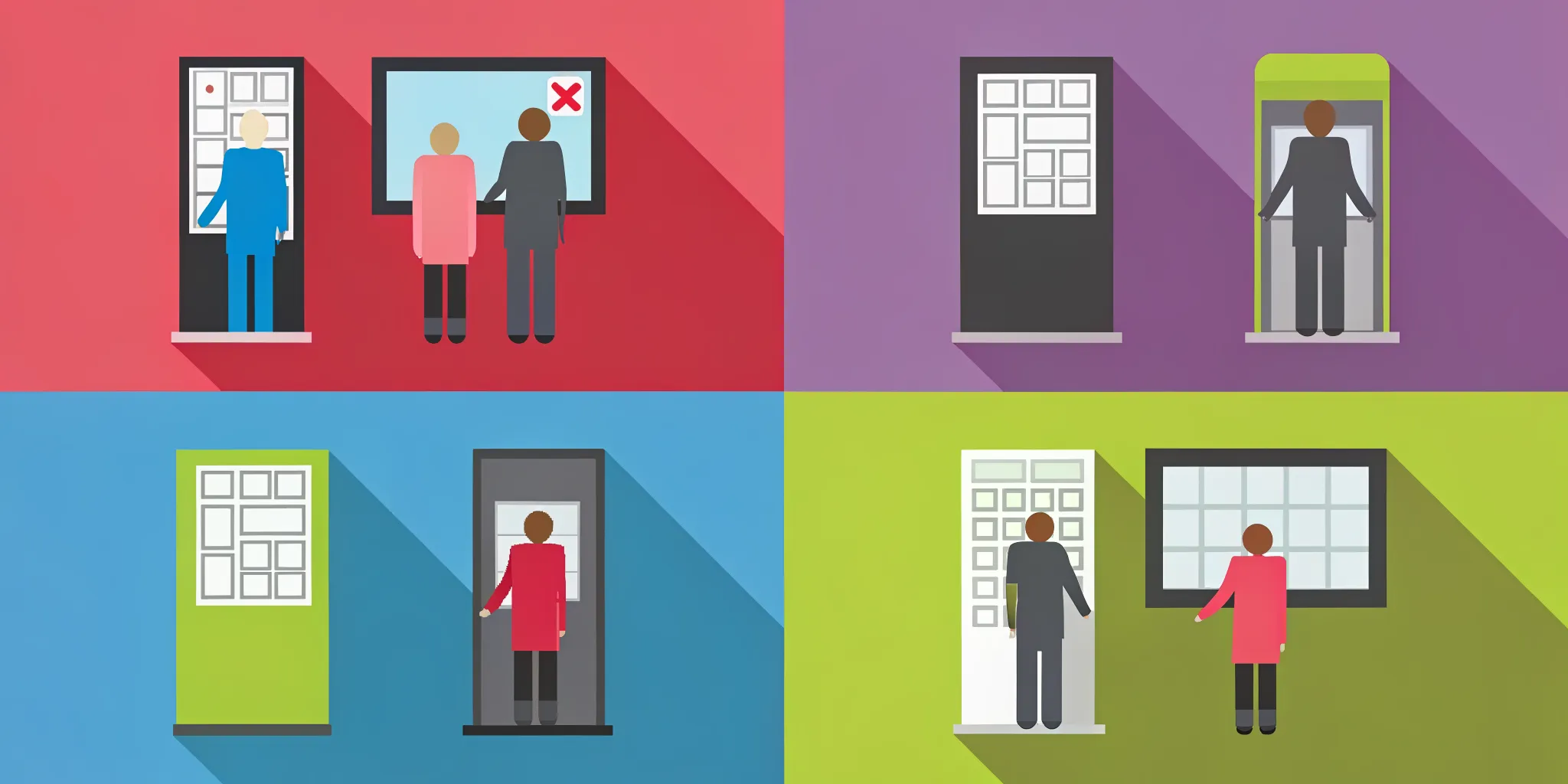
Digital kiosks and screens are key parts of a clear navigation plan. These tools do more than just show maps. They can give turn-by-turn paths or list staff by name. Research shows that good hospital wayfinding signage reduces the need for people to stop and ask staff for help. This keeps the medical team focused on care. These screens can also show wait times and safety alerts to keep everyone in the loop.
Live Updates and System Links
A smart system links to the hospital's main data hub. When a doctor moves to a new office, the digital signs update at once. This prevents people from getting lost or being late. Effective tech in healthcare units must also cover safety and regulatory compliance to meet strict standards. ProVizion LED screens and Vnnox CMS tools help managers control many screens from one place. This makes sure every sign across a large campus shows the right path.
Mixing Tech with Static Signs
Digital tools work best when paired with traditional signs. Static signs give a base layer of navigation that is always there. The digital layer adds a way to deal with daily changes. This mix creates a full system that guides people from the parking lot to the exam room. A clear healthcare wayfinding consultation can help you plan how these two types of signs work together. This plan ensures that the tech helps people rather than making things more complex.
Choosing the Right Partner for Healthcare Wayfinding Signage
Picking a partner for hospital wayfinding signage is a big choice. It affects patient safety and how well staff can work. Large medical centers often treat these projects as long-term goals. These jobs can need up to 36 months of planning and work. To manage this scale, you need a partner with a deep grasp of regulatory compliance and healthcare nomenclature. A firm that handles every step from design to final setup keeps your campus easy to use.
Single-Vendor Accountability
Working with many groups for design, permits, and setup adds risk. Carolina Signs and Wonders offers full-service signage capabilities through one team. We handle the structural work for monument signs and the electrical work for lit signs in-house. This single-source path cuts down on delays. It also ensures your brand stays the same across the whole healthcare site.
Experience with Complex Facilities
Health spaces have unique needs like strict ADA rules and large campus layouts. We use the same ADA compliant wayfinding systems used by our Fortune 100 clients. This ensures your site meets all legal rules. Our team works in 39 states and has a list of clients like Amazon, Tesla, and Ford. We bring this high-level project care to every hospital job to ensure signs last a long time.
Dedicated Project Management
Success in wayfinding is more than just the signs. It needs a partner who can manage permits and site scans before the build starts. At Carolina Signs and Wonders, we give you dedicated managers. They lead your project from the first sketch to the last service call. You can call our team at (704) 625-2345 to talk about how our in-house shop can help your next facility update with custom plans.
Frequently Asked Questions
How long does a typical hospital wayfinding signage project take to finish?
Large healthcare facilities often need extensive planning and work. Projects for hospital wayfinding signage can take up to 36 months when run as a total quality plan. This long timeline allows for careful design, site checks, and full safety checks across a clinical campus. According to PubMed, these long-term efforts ensure the final system meets all patient needs and legal standards for complex medical spaces.
How does clear wayfinding signage impact hospital staff productivity?
When visitors cannot find their way, they often stop hospital staff to ask for directions. This common problem hurts how well the hospital runs and pulls care teams away from their main duties. Good hospital wayfinding signage allows patients and guests to reach their places with less help. Research on PubMed shows that proper planning makes a hospital more patient-friendly. It also helps the clinical team stay focused on patient care instead of guiding tasks.
What are the four main categories of healthcare wayfinding signage?
A full wayfinding system uses four types of signs to guide users. Naming signs show specific rooms or departments. Guiding signs help people find their way in hallways and turns. Fact signs give data about services or timing. Safety signs ensure the building meets all local codes. According to NIH, these sign systems help people understand and move through a physical space. Each group must work together to create a smooth journey for stressed visitors.
Why is intuitive signage design important for elderly patients?
Hospital spaces are often stressful for older visitors or those with medical issues. Signs must be easy to use to lower the brain power needed to find a place. Poorly designed systems can cause confusion and fear for patients. A study in PMC shows that wayfinding signs should be made for the elderly to improve their experience. Clear fonts and high contrast help make the clinical campus easier to use for all people.
Ready to improve your hospital wayfinding signage?
Poor wayfinding leads to lost patients and upset staff who must stop their work to give help to lost guests. You can avoid these costly delays and lower stress for everyone by starting your signage planning now to ensure a smooth path.
Taking action today means your center will be ready for growth with clear signs that meet all rules and keep your site running. Our team handles every step from the first design to the final setup on your campus. You can also view our full list of services to see how we help with many types of signs.
Ready to request a free consultation? Call (704) 625-2345 to request a free consultation for your healthcare wayfinding project.


