


Choosing a sign material is not just a design decision. Start from the signage services the building actually needs, then decide whether acrylic is the face. For a commercial project, the right specification depends on where the sign will be viewed, how it must perform, and how it will be installed.
Acrylic business signs can be a strong fit for clear, polished, dimensional, illuminated, or panel applications. But the best choice depends on the sign's location, viewing distance, brand requirements, mounting conditions, and local regulations.
Acrylic is used for indoor and outdoor signage, back-lit displays, menu boards, and individual cut pieces, while its glass-like clarity can suit office signs and architectural panels. The material can also be heavy and may require appropriate installation hardware, so the visual concept should be reviewed alongside the building surface, access, lighting, and approved drawings. Before fabrication, confirm the intended sign type, dimensions, finish, color, illumination, mounting approach, permitting needs, and site conditions with your sign provider. Those details help distinguish an acrylic face from dimensional lettering or a panel-based solution and keep the specification aligned with the project. The first step is understanding where this material makes practical sense in a commercial sign program.
Where Do Acrylic Business Signs Fit a Commercial Project?
For a commercial project, acrylic is a specification choice within a broader sign system, not automatically the best material for every location. Facilities teams, brand managers, and general contractors should evaluate the sign's viewing distance, lighting, mounting conditions, traffic, and local requirements before selecting a face, letter set, or panel. Those decisions shape whether acrylic supports the project or whether another sign type should lead. Carolina Signs and Wonders approaches custom business signs around visibility, foot traffic, lighting conditions, and city regulations.
Storefront faces and illuminated letters
At a storefront, an acrylic face can be appropriate when the design calls for a clean, polished surface or controlled illumination. Clear acrylic is used for indoor and outdoor signage, individual cut pieces, and back-lit displays, and acrylic is also available in multiple colors for vivid outdoor applications. These uses make it relevant to a storefront elevation where the face, color, and lighting need to work together.
That does not mean an acrylic face should replace the primary sign concept. The project may call for illuminated channel letters, a wall-mounted sign, or another storefront solution based on the building, sightlines, electrical needs, and approval requirements. The sign package should define which element carries the brand from the public approach and where acrylic serves as the face or a supporting component. Review related exterior business sign options when comparing the role of the storefront sign with the rest of the exterior package.
Lobby and office dimensional letters
Inside a lobby, reception area, or office, acrylic can work well as dimensional lettering or a branded wall sign. Its glass-like clarity and polished finish suit spaces where visitors view the sign at close range. Dimensional lettering can be customized to brand specifications, including colors that match logos, fonts, and surrounding building materials. The result is a coordinated identity element rather than a small decorative plaque selected in isolation.
Installation still belongs in the specification. Acrylic may require appropriate hardware, and the mounting surface, handling plan, and sign weight should be reviewed with the installer before fabrication. That matters especially when the lettering is large, elevated, or installed on a finished wall.
Cabinet or panel faces
Acrylic may also serve as the face of a cabinet or panel when the project needs a defined field for graphics, color, or illumination. A post-and-panel, wall-mounted, or other sign assembly may be the lead element, with acrylic specified as one component of that assembly. The right choice depends on the sign's location, intended use, lighting, mounting, and code constraints. In a commercial specification, those conditions should be settled before the material is treated as the answer.
Which Finish and Build Should the Drawing Specify?
For acrylic business signs, the drawing should identify both how the face will look and how the letters or panel will be built. Clear acrylic preserves a glass-like appearance and can support a clean, polished presentation. Vanderbilt Printing Services describes acrylic as a glass-like substrate for illuminated signs, office signs, and architectural panels. That makes it a practical choice when the sign needs a refined interior presence. See Vanderbilt Printing Services.
Specify whether the face should be clear, frosted, or opaque. A clear face allows transparency or illumination to remain part of the design. Frosted acrylic softens the view through the panel and reduces visual glare, while opaque acrylic creates a solid field for a printed, painted, or applied color. The drawing should also state whether color belongs on the face only or continues onto the edges, called the returns.
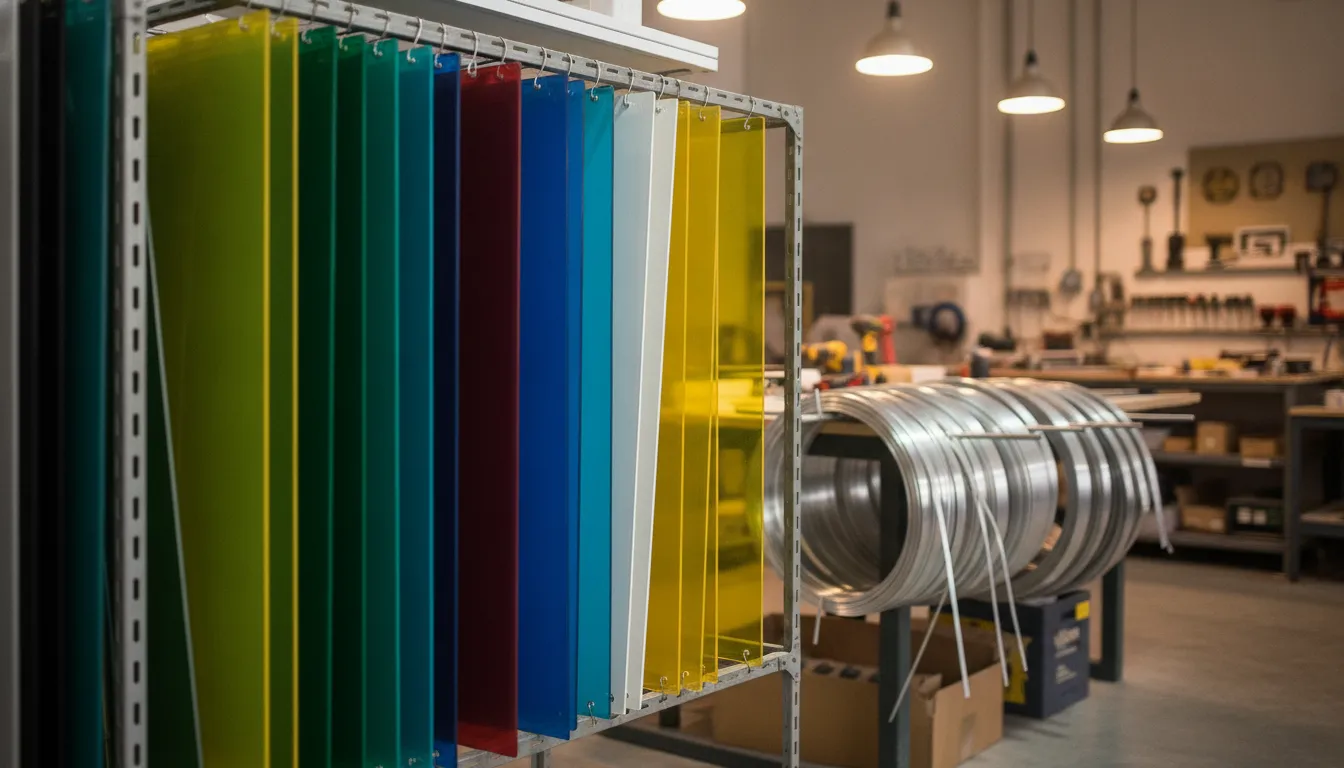
- Clear: Use when transparency, visible stand-offs, or light passing through the face is part of the intended appearance.
- Frosted: Use when the design needs diffused light or a softened, less transparent surface.
- Opaque: Use when the face should read as a solid color field without showing through to the background.
- Dimensional: Use cut or built-up letters when the sign should project from its mounting surface, as with interior dimensional lettering.
Next, distinguish flat-cut letters from dimensional letters. Flat-cut acrylic letters are shaped from sheet material and can be mounted directly or spaced off the wall. Dimensional letters have visible depth and may use a separate face and return, which changes the edge profile and the way shadows fall. If the face color differs from the return color, call out both finishes separately. A note such as "blue face, white returns" is more useful to a fabricator than a single color name.
Thickness is project-specific, not a universal specification for every sign. Iowa State Printing Services lists clear acrylic from 0.118 to 0.220 inches and notes that other thicknesses and finishes are available by request: its material options. The final thickness should be selected with the sign's size, unsupported spans, mounting method, edge treatment, handling, and whether it is flat-cut or dimensional in mind. Have the fabricator confirm that choice in the approved drawing rather than copying a thickness from another project.
How Should Lighting Change the Acrylic Face?
Lighting should be part of the acrylic specification from the beginning, not an add-on after the face color and thickness have been selected. The same sheet can look crisp in a sample and uneven on a wall when the LEDs, depth, diffusion, and viewing conditions change. For acrylic business signs, the fabricator should show the face material, finish, thickness, and light source together on the drawing.
For a front-lit face, use a translucent face that lets light pass through the color evenly. The color and diffusion need to soften the LED pattern so individual diodes do not create bright hot spots. A face that is too clear may show the light source, while one that is too opaque can look dim or require more output. Daylight matters too: a color that looks balanced at night may appear washed out when sunlight hits the sign.
Halo or reverse-lit letters use a different face strategy. The front is typically opaque because the intended effect comes from light reflecting onto the wall behind each letter. A translucent face would change that visual effect and could produce unwanted glow through the letter. The letter depth, return, and spacing from the wall should be reviewed with the lighting layout rather than specified independently. This is one reason channel letter signs need a complete fabrication drawing, not just a color swatch.
Edge-lit lobby panels also require careful control of thickness and diffusion. Light enters through an edge and travels across the panel, so the acrylic must distribute it without bright edges or dark centers. For non-illuminated dimensional letters, the face can be selected for color, finish, and visual contrast without designing around LEDs. But the material still needs to suit the mounting location and viewing distance.
Sign-grade acrylic made for LED faces is a different product from general-purpose sheet. Ask the fabricator to name the acrylic grade on the drawing and identify how the face is intended to work with the selected LEDs. A broader overview of lighting choices is available in this guide to lighted business signage.
- Daytime read: Confirm that the face color, contrast, and finish remain legible in direct and indirect daylight.
- Nighttime read: Check for even illumination, hot spots, dark areas, and a color that matches the approved appearance.
- Service access: Verify that the lamps and related components can be reached for maintenance without damaging the face or surrounding sign.
What Mounting and Exposure Should the Spec Cover?
Acrylic business signs need a mounting plan that fits both the sign and the building. The drawing should identify the wall substrate, the attachment method, the hardware, and the points that must remain reachable after installation. Acrylic can be heavy and requires proper installation hardware, so the installer should confirm the load. Fastener type, and attachment location rather than treating the face as a lightweight panel. Vanderbilt Printing Services notes this hardware requirement.
For a direct-mounted sign, record the stand-off, fastener locations, spacers, and any clearance needed around the face. A raceway may be appropriate for some projects, but it should be noted as a project-specific option rather than assumed in the drawing. If the sign will be installed through masonry, brick veneer, concrete, metal framing, or another substrate. The plan should identify that condition so the mounting hardware can be selected and installed correctly.
Exposure changes the acrylic specification. An exterior sign may face direct sun, rain, temperature changes, wind, and airborne dirt. While an indoor lobby sign may have a more controlled environment but still need to withstand regular cleaning and contact. Note whether the sign is fully outdoors, sheltered, or indoors, and describe the viewing conditions during the day and at night. Acrylic is used for both indoor and outdoor signage, including back-lit displays, but the final finish, construction, and illumination should be confirmed for the actual location.
| Decision | What to record | Why it changes the spec |
|---|---|---|
| Mounting surface | Wall type, attachment points, stand-off, and hardware. | Fastening depends on the building surface. |
| Indoor or outdoor | Sun, rain, wind, shelter, and cleaning. | Exposure changes the finish and build. |
| Illumination | Day and night read, light source, and access. | Lighting changes the face and the depth. |
| Finish | Clarity, gloss, color, and viewing direction. | Finish changes glare and readability. |
| Service access | Removable parts, tools, and clearance. | Access can change the mounting plan. |
These decisions belong in the approved drawing, not only in an installation conversation. A clear record helps the team coordinate commercial sign installation with the building conditions. For projects that include multiple sign types or building faces, use the same discipline described in cabinet sign planning: define the site condition, access needs, and intended use before fabrication.
What Should You Confirm Before Fabrication Starts?
Before acrylic business signs move into fabrication, make sure the approved concept is specific enough for the shop, installer, and site team to build from the same information. A short confirmation step now can prevent a brand mismatch, a surprise field condition, or a late change to lighting and mounting.
- Brand files and color: Provide the current logo files, approved fonts, color references, and any brand standards. Confirm how the selected colors will appear on the chosen acrylic, whether the face is transparent, opaque, or otherwise finished, and which details must be color-matched. Dimensional lettering and wall signs should be reviewed against the building materials and the surrounding space, not only a screen proof. Acrylic is valued for clarity and a polished, glass-like appearance, but the final look depends on the specified finish and application. Review material and finish options with the sign provider.
- Approved elevation and dimensions: Confirm the elevation drawing, sign location, overall size, mounting area, viewing direction, and any field measurements. The approved elevation should show what the customer, landlord, campus, and installer have agreed to build. If the sign is part of a broader site package, identify how it relates to other exterior elements and planned construction.
- Face finish and illumination: Decide whether the acrylic face is clear, colored, painted, frosted, or another approved finish. Also confirm whether the face is illuminated or non-illuminated, where light should be visible, and how the appearance should read during the day and at night. Do not assume a finish or lighting effect from a rendering alone. If the project is actually a channel-letter decision, use this channel letter buyer's guide for the product-level comparison.
- Electrical and permit path: Identify whether power, disconnects, lighting controls, engineering, or other electrical coordination is involved. At a high level, confirm who is responsible for the applicable permit path and what approvals must be complete before fabrication or installation. The exact requirements depend on the site and jurisdiction, so treat this as a project checkpoint rather than a permitting guide.
- Property standards and handoff: Collect landlord, campus, property-manager, or development standards before final approval. Confirm required colors, sign zones, illumination limits, mounting rules, insurance documents, and installation windows. A single vendor coordinating design, permitting, fabrication, electrical needs, and installation gives the project one accountable handoff. For new construction planning, see outdoor business signs for new construction.
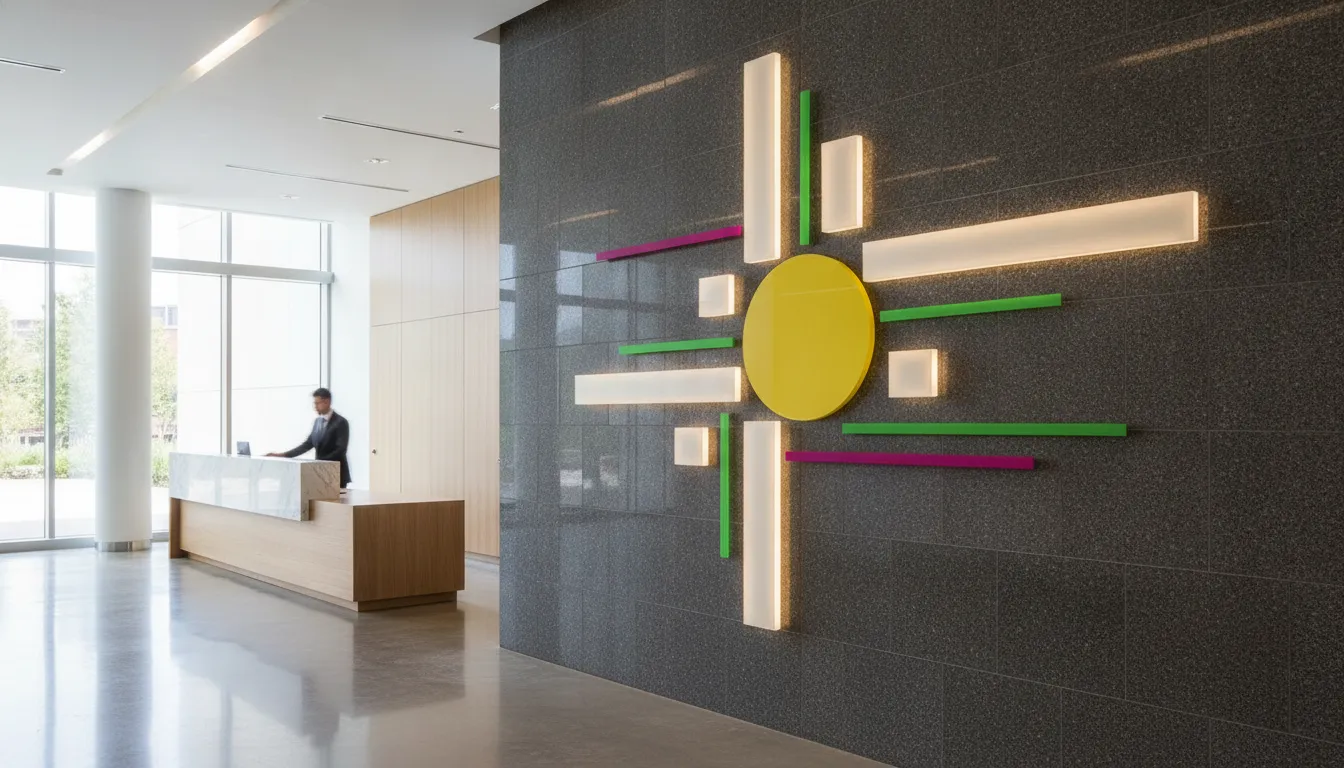
Once these items are approved, Carolina Signs and Wonders can carry the project from design through fabrication and installation in Charlotte and beyond. The scope and site determine the custom quote, so share the approved files, elevation, and property requirements during consultation.
Frequently Asked Questions
Where can an acrylic face, letter, or panel fit in a business sign project?
Acrylic can serve as a face, individual cut piece, dimensional letter, or full panel, depending on the sign design. It is used for indoor and outdoor signage, menu boards, visual merchandising, and back-lit displays. A project may also use it for an office sign, architectural panel, or illuminated sign when its polished, glass-like appearance suits the space. Iowa State Printing Services lists these applications.
What should I confirm before acrylic signs go into fabrication?
Confirm the sign location, viewing distance, indoor or outdoor exposure, desired service duration, mounting surface, installation method, finish, color, lighting requirements, and expected reuse. Also confirm the available sign area, artwork dimensions, logo and letter details, and any property or city requirements. Visibility, foot traffic, lighting conditions, and city regulations can affect a custom commercial sign plan.
How do I choose the acrylic thickness and finish?
Start with the sign's size, mounting method, handling needs, visual effect, and whether it will be illuminated. Thickness and finish should be selected as part of the complete design rather than from appearance alone. For reference, Iowa State Printing Services lists clear acrylic options from 0.118 to 0.220 inches and notes that other thicknesses and finishes may be available by request. Ask the sign team to confirm the suitable specification for your application.
Does an acrylic sign need special mounting hardware?
It may. Acrylic can be heavy, particularly in larger panels or dimensional assemblies, so the attachment method should match the sign's weight, size, substrate, and mounting surface. Confirm anchor locations, stand-offs or other hardware, edge clearances, access for installation, and whether the wall or structure can support the finished sign before fabrication. Vanderbilt advises using appropriate installation hardware.
Ready to Specify Acrylic Business Signs?
A clear specification keeps the face, the lighting, and the wall in one drawing. Share the elevation, the brand files, and the site conditions, and Carolina Signs and Wonders will quote the fabrication and installation as one project.
You can also call (704) 625-2345 to talk through a storefront, lobby, or illuminated sign.


